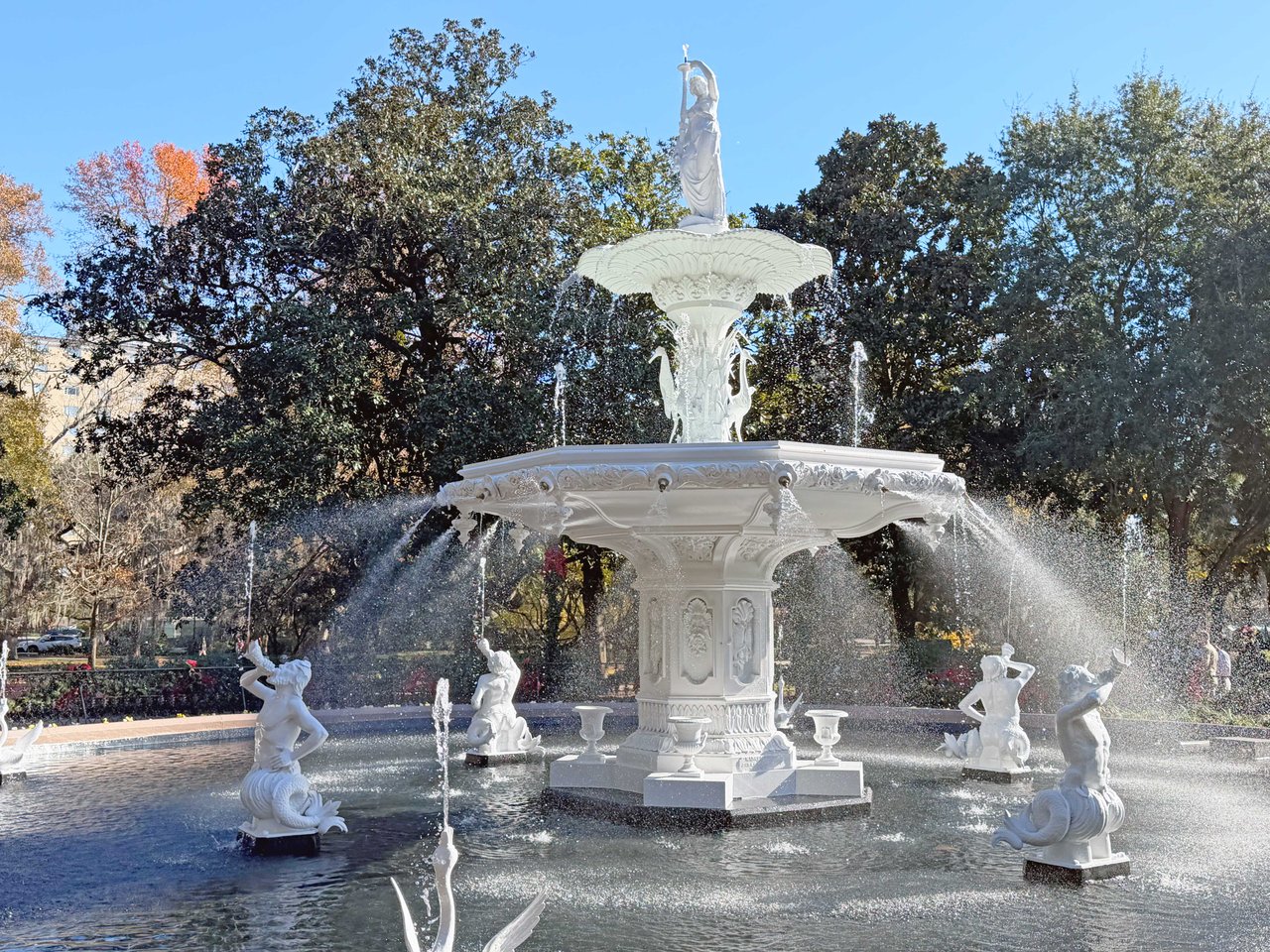
The Heart of Savannah Returns: What Happened to the Forsyth Park Fountain?
If you strolled through the north end of Forsyth Park during the summer of 2025, you likely noticed something jarring. The most photographed landmark in Georgia—the great white fountain—was gone. In its place stood an empty basin, a quiet void where the rhythmic splash of water and the hum of wedding photographers usually live.
As a local real estate broker, I’m often asked what makes Savannah’s Historic District so resilient. My answer is stewardship. The recent $650,000 restoration of the Forsyth Park fountain is a masterclass in how our city protects its "crown jewels," ensuring that property values and our unique quality of life remain gold-standard.
 The 2025 Restoration: More Than a Facelift
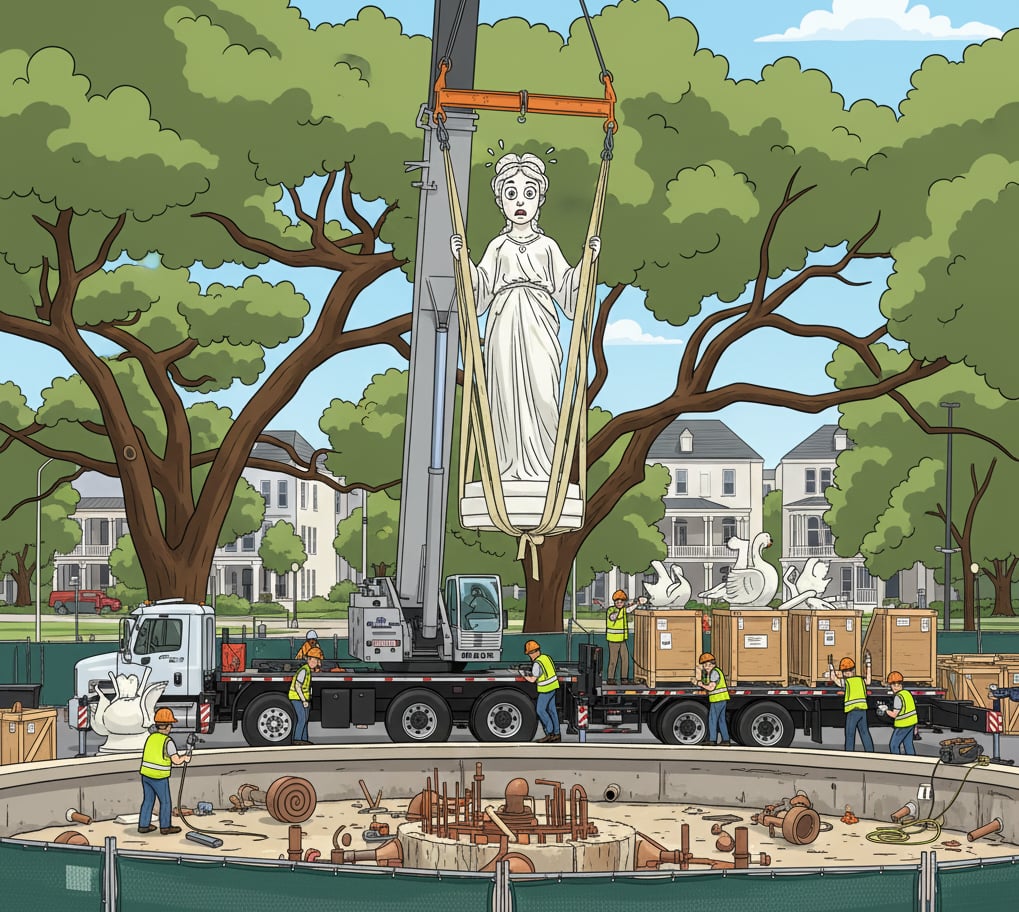
While the fountain saw a restoration in 1988, the 2025 project was the most significant in over a century. This wasn't just a fresh coat of paint; it was a total "frame-off" restoration. In June 2025, the fountain was completely dismantled and shipped to Robinson Iron Works in Alabama—the same experts who worked on it nearly 40 years ago.
I witnessed the removal firsthand, and the logistics were staggering. It took a fleet of trucks to transport the pieces, but the most striking moment was seeing the "robed woman" statue being craned off her pedestal. The crew handled her with incredible preparation, hoisting her into the air with a gentleness that looked more like cradling a child than moving tons of metal.
Why It Had to Happen: The "Cancer" of Cast Iron
To the casual observer, the fountain always looked "fine." But as anyone in real estate will tell you, the "bones" matter more than the curb appeal.
Cast iron is a beautiful but temperamental material. Over decades, moisture seeps into the joints and creates oxidation. I like to tell my clients that rust in a historic structure is like a cancer—if you don't cut it out, it will eventually consume the entire "organism." This restoration involved stripping every piece of iron, cutting out the "infection," and replacing the internal plumbing and electrical systems to ensure the fountain survives for another 150 years.
Myth Busting: A "Catalog" Masterpiece
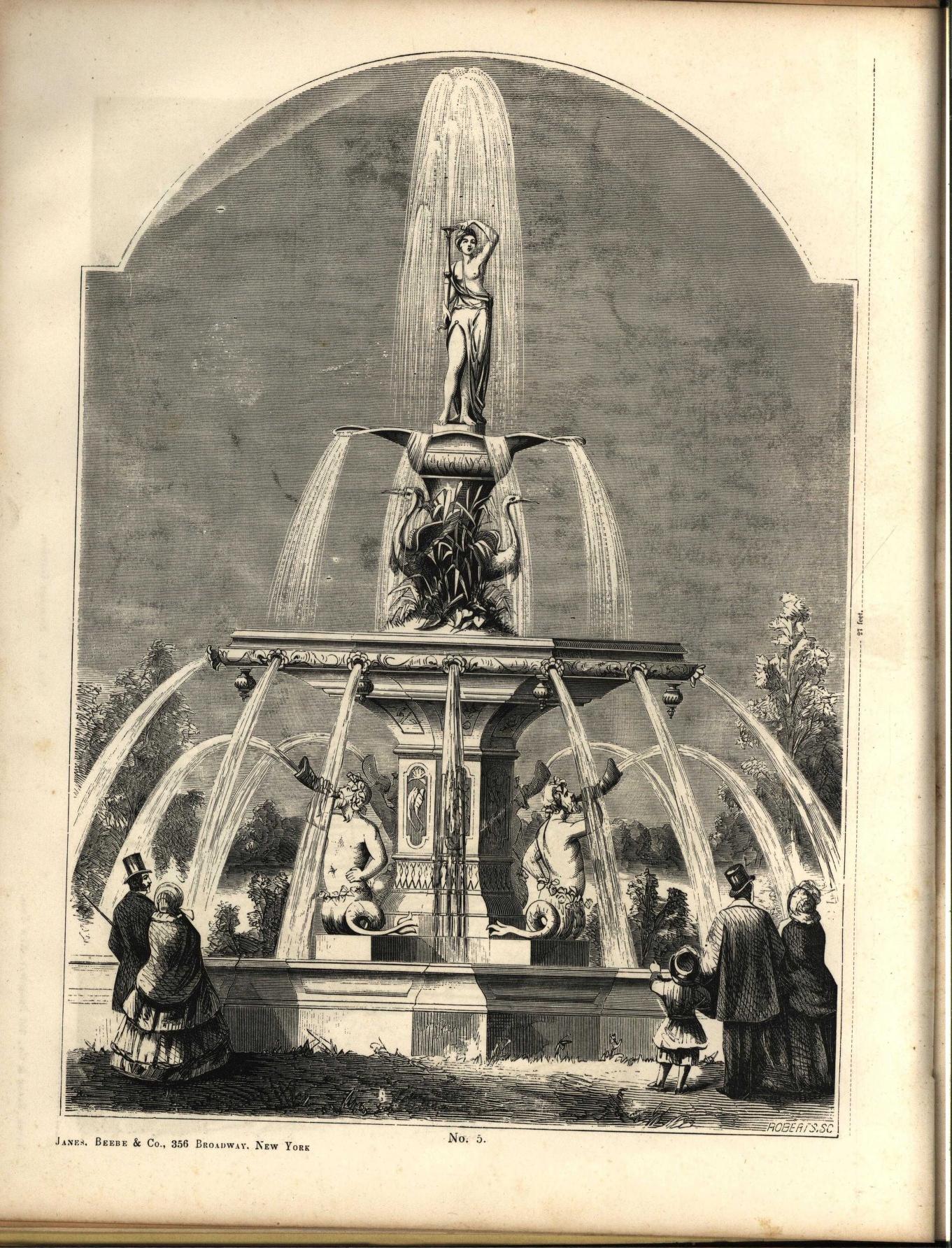
There is a common misconception that our fountain is a one-of-a-kind French original. In reality, it was a "production piece" ordered from the Janes, Beebe & Co. catalog in 1858 (Model #5).
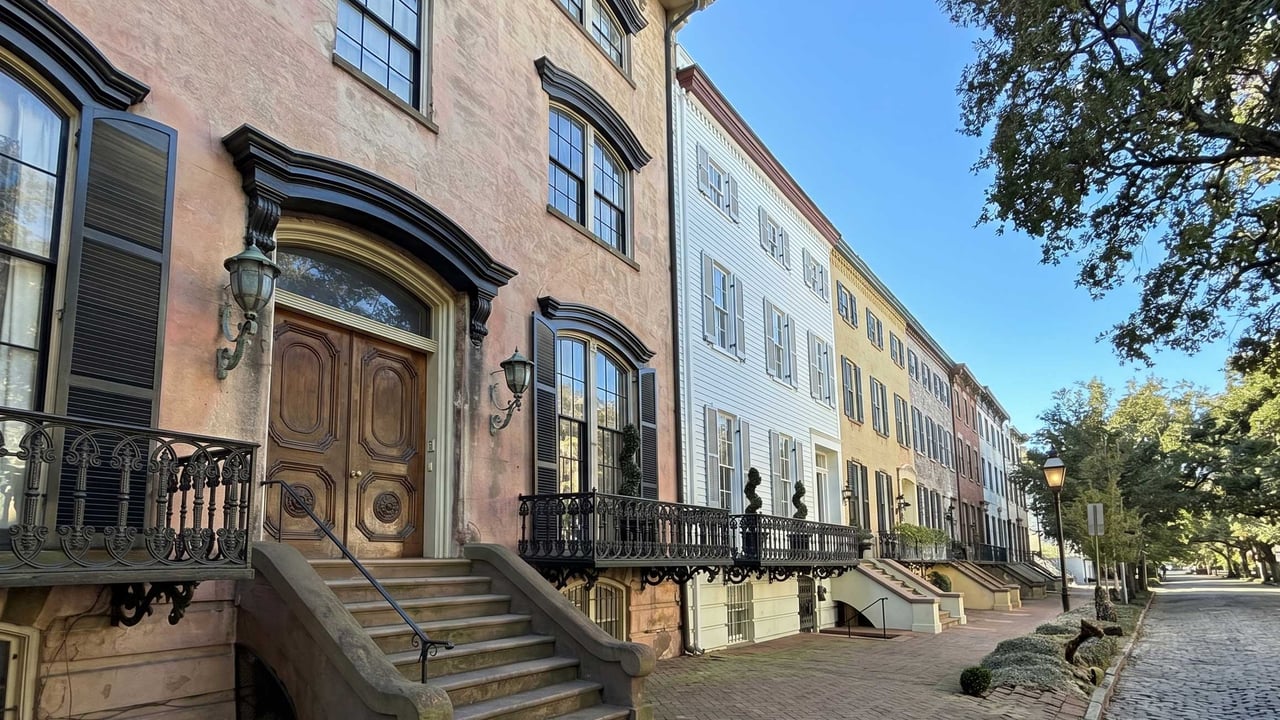
Does that make it less valuable? Quite the opposite. Just like the historic homes that line the park, the value isn't just in the design—it's in the survival. While other cities lost their catalog fountains to scrap metal drives or neglect, Savannah preserved ours. Today, it is a National Landmark, proving that with the right maintenance, even a "catalog" piece can become a priceless treasure.
 The "Soul" of the Park
While the fountain was away, the vibe of the park shifted. The weddings stopped, and the area felt strangely unwelcoming. The liveliest sound became the Saturday Farmers Market—a wonderful event, but the "anchor tenant" was missing.
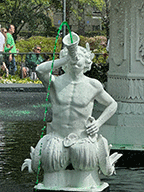
Its absence reminded us why Forsyth Park is the focal point of Savannah real estate. From the Greening of the Fountain (the St. Patrick's Day tradition where the Grand Marshal oversees the water turning emerald) to the intricate frieze on the sides of the centerpiece column, this fountain is the heartbeat of our community.
The Return of the Icon
After six months away, the fountain was officially reactivated on December 19, 2025, with a community celebration. For those looking to buy or sell in the Historic District, this $650,000 investment by the city is a clear signal: Savannah is committed to maintaining the beauty that drives our property values.
Let’s Chat Over Coffee If you’re curious about how historic preservation impacts your home’s value, or if you just want to walk the park and look at some of the stunning properties nearby, I’d love to connect. Meet me at Collins Quarter at Forsyth. We can grab a coffee and walk over to the newly restored fountain together.
While Forsyth Park stands as the crown jewel of Savannah’s original layout, it’s not the only major green space with a complex history. If you're interested in how the city's later expansions were shaped, check out our deep dive on Daffin Park: How Patchwork Planning Cost Savannah a Masterpiece.